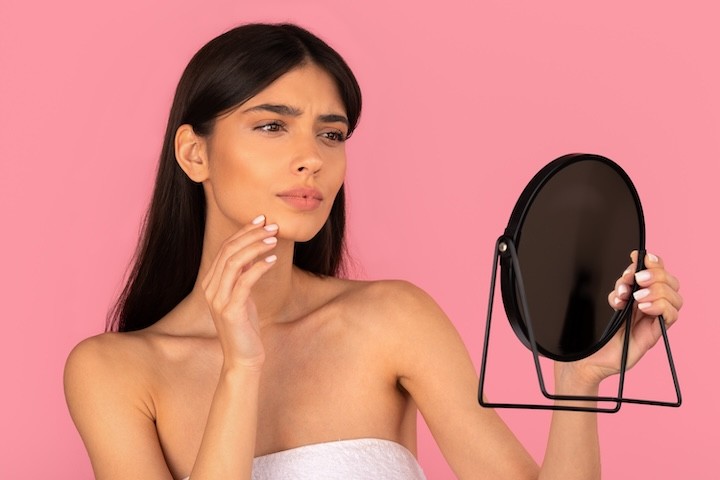
PCOS (Polycystic Ovary Syndrome) can cause unwanted hair growth on areas such as the face, chin, neck, upper lip, chest, stomach, and jawline. For many women, frequent shaving, tweezing, and waxing become frustrating routines that can also lead to ingrown hairs, irritation, and skin discoloration.
If you’re wondering whether laser hair removal works for PCOS, the answer is yes.
While laser hair removal does not treat the hormonal cause of PCOS, it is one of the most effective long-term options for reducing unwanted hair growth and making it easier to manage over time.
At Écou’s Laser Boutique in Chelsea, Manhattan, we customize every treatment using the Clarity II by Cynosure/Lutronic to safely treat a wide range of skin tones and hair types.
Does Laser Hair Removal Work for PCOS?
Yes.
Laser hair removal can significantly reduce unwanted hair caused by PCOS.
The laser targets pigment inside the hair follicle, damaging its ability to produce future hair growth. Because PCOS-related hair is often darker and coarser, it typically responds well to laser treatments when performed consistently.
Although laser hair removal doesn’t cure PCOS or stop hormonal fluctuations, it can:
Reduce hair thickness
Slow hair regrowth
Reduce hair density
Improve skin texture
Help prevent ingrown hairs
Reduce razor bumps and irritation
Make daily hair removal much easier
Many women with PCOS choose laser hair removal as part of their long-term hair management plan.
Why PCOS Hair Responds Well to Laser
PCOS-related hair often has characteristics that respond well to laser treatment.
It is commonly:
Darker
Coarser
More heavily pigmented
Because laser targets pigment within the hair follicle, these hairs often respond particularly well when treatments are performed on schedule.
Over time, treated hair typically becomes finer, lighter, and slower to grow.
However, because PCOS is a hormonal condition, hormones can continue stimulating new hair growth even after successful treatments.
Which Areas Can Be Treated?
Laser hair removal can treat unwanted hair almost anywhere on the body.
Common treatment areas for clients with PCOS include:
Chin
Upper lip
Jawline
Neck
Full face
Chest
Stomach
Lower abdomen
The chin and jawline are common areas for hormonally influenced hair growth, and they may require a different approach than other treatment areas. Learn more about chin hair growth after laser hair removal and why maintenance may sometimes be needed.
Every treatment plan is customized according to the treatment area, hair thickness, skin tone, and your individual goals.
Will I Need More Sessions With PCOS?
Often, yes.
Because PCOS-related hair growth is influenced by hormones, many clients need more treatments than someone without hormonal hair growth.
Hormones can continue stimulating new follicles over time, making occasional maintenance treatments beneficial.
This does not mean laser hair removal isn’t working.
Most clients still experience significant improvement in hair growth, even if maintenance is needed.
What Results Should You Expect?
Results vary from person to person, but most clients begin noticing improvement after several treatments.
Over time, many experience:
Less hair growth
Finer regrowth
Slower regrowth
Less shaving
Fewer ingrown hairs
Less irritation
Smoother skin
The best results come from following your recommended treatment schedule.
Does PCOS Hair Grow Back After Laser Hair Removal?
Sometimes.
Because PCOS is a hormonal condition, new hair growth can occur over time.
This doesn’t mean laser hair removal failed.
Laser treats existing hair follicles, but hormonal changes can activate new follicles in the future.
When regrowth occurs, it is often finer, lighter, and much easier to manage than before treatment.
Maintenance treatments help keep unwanted hair under control.
Why Consistency Matters
Laser hair removal works by targeting hairs during their active growth phase.
Since not every hair is growing at the same time, multiple treatments are necessary.
Keeping your appointments on schedule allows more follicles to be treated during the correct stage of growth, helping maximize your long-term results.
Why We Use the Clarity II by Cynosure/Lutronic
At Écou’s Laser Boutique, every treatment is performed using the Clarity II by Cynosure/Lutronic.
This advanced laser combines:
Alexandrite (755 nm)
Nd:YAG (1064 nm)
The dual wavelengths allow treatments to be customized for different skin tones, hair types, and treatment areas, so the right wavelength is chosen for you.
Is Laser Hair Removal Worth It for PCOS?
For many women, yes.
Although PCOS is a lifelong hormonal condition, laser hair removal can dramatically reduce the time spent shaving, waxing, or tweezing.
Many clients also notice:
Increased confidence
Fewer ingrown hairs
Healthier-looking skin
Less skin irritation
Easier long-term maintenance
Rather than managing unwanted hair every day, many women only need occasional maintenance treatments.
Ready to Manage PCOS Hair Growth?
If unwanted hair caused by PCOS is affecting your confidence or daily routine, laser hair removal may help make hair growth easier to manage.
At Écou’s Laser Boutique, every treatment is customized to your skin tone, hair type, and goals using the Clarity II by Cynosure/Lutronic.
Learn More:
How Laser Hair Removal Works | NYC Guide
Is Laser Hair Removal Permanent? Here’s What to Expect
How Many Laser Hair Removal Sessions Do You Need?
Laser Results Timeline: Sessions 1–8
Laser Hair Removal for Dark Skin in NYC
Frequently Asked Questions
Does laser hair removal work for PCOS?
Yes. Laser hair removal is one of the most effective long-term options for reducing unwanted hair caused by PCOS. While it doesn’t treat the hormonal condition itself, it can significantly reduce hair thickness, density, and regrowth.
Will I need more laser hair removal sessions if I have PCOS?
Often, yes. Hormonal hair growth usually requires more sessions than average and may benefit from occasional maintenance treatments.
Does PCOS hair grow back after laser hair removal?
Hormonal changes can stimulate new hair growth over time. Maintenance treatments help keep unwanted hair under control, and any regrowth is often finer and less noticeable.
Is laser hair removal permanent for PCOS?
Laser hair removal provides long-term hair reduction. Because PCOS affects hormones, occasional maintenance treatments are commonly recommended to maintain results.
Which areas are most commonly treated?
The chin, upper lip, jawline, neck, full face, chest, stomach, and lower abdomen are among the most common treatment areas for PCOS-related hair growth.
Can laser hair removal help with ingrown hairs caused by PCOS?
Yes. By reducing coarse hair growth, laser hair removal can also reduce ingrown hairs, razor bumps, irritation, and discoloration caused by frequent shaving or tweezing.
How many sessions will I need?
The number of treatments varies, but clients with PCOS often require more sessions than someone without hormonal hair growth. Your treatment plan will depend on your hair type, treatment area, hormones, and individual response.
Can all skin tones be treated?
Yes. The Clarity II by Cynosure/Lutronic combines Alexandrite and Nd:YAG wavelengths, allowing treatments to be customized for a wide range of skin tones and hair types.
Updated on August 03,2026