Alexandrite vs Nd:YAG Laser | Which Is Better?
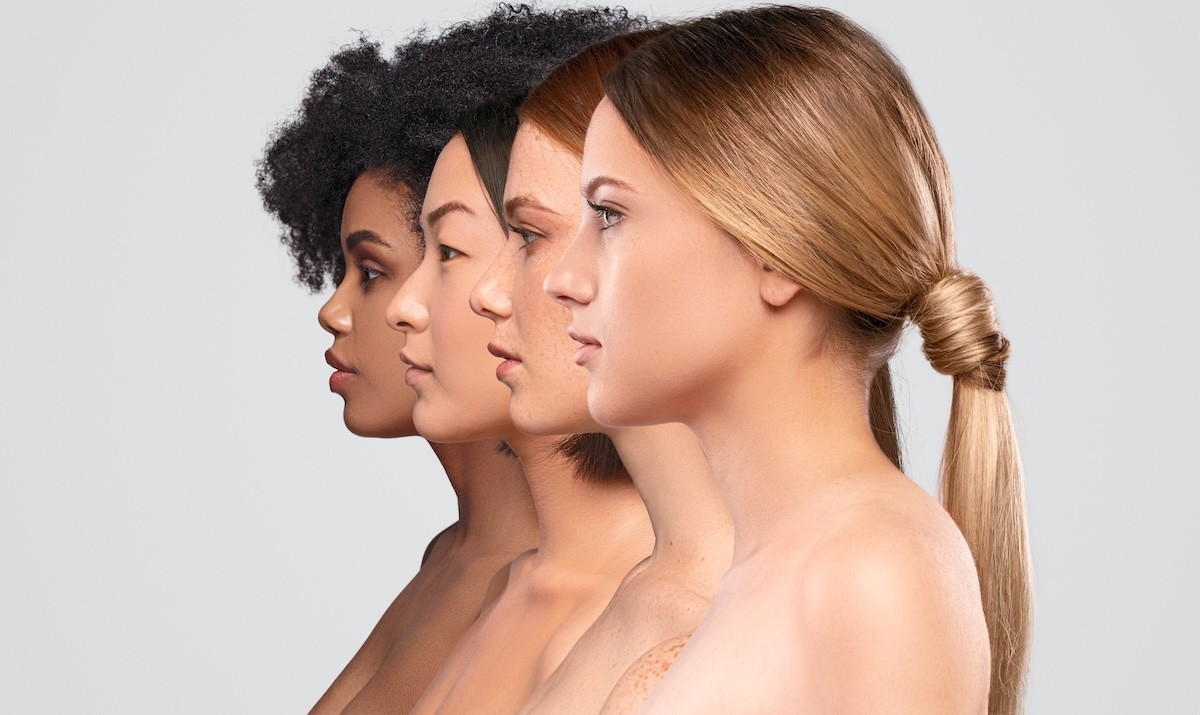
Unwanted hair can affect confidence and comfort, which is why many people choose laser hair removal as a long-term solution. However, not all lasers work the same—and selecting the right one depends on your skin type.
If you’re considering laser hair removal in NYC, understanding how different wavelengths work will help you achieve safer, more effective results.
At Écou’s Laser Boutique in West Village, Manhattan, we use advanced dual-wavelength technology designed to treat all skin tones with precision.
How Laser Hair Removal Works
Laser hair removal works by targeting pigment (melanin) in the hair. The light energy converts into heat, which damages the follicle and slows future hair growth.
Darker hair typically responds best due to higher pigment levels. However, modern technology allows safe treatment across a wide range of skin tones using different wavelengths.
Fitzpatrick Skin Type Scale
The Fitzpatrick scale is used to determine how your skin reacts to light and helps guide treatment settings.
Type I: Pale skin that always burns
Type II: Fair skin that burns easily
Type III: Light to medium skin that sometimes burns
Type IV: Olive skin that rarely burns
Type V: Dark brown skin
Type VI: Deep skin tone
Your skin type plays a key role in selecting the safest and most effective treatment approach.
Alexandrite Laser (755 nm) – Best for Lighter Skin Types
The Alexandrite wavelength is highly attracted to pigment, making it ideal for lighter skin tones with darker hair.
Best for: Skin types I–III
Benefits include:
Strong effectiveness for light to medium skin tones
Faster treatment sessions
Efficient hair reduction with fewer sessions
This makes it a popular choice for areas like underarm laser hair removal or full legs laser hair removal.
Nd:YAG Laser (1064 nm) – Best for Deeper Skin Tones
The Nd:YAG wavelength penetrates deeper into the skin and avoids excess interaction with surface pigment, making it suitable for deeper skin tones.
Best for: Skin types IV–VI
Benefits include:
Safer treatment for darker skin tones
Reduced risk of pigmentation changes
Effective for coarse or dense hair
This approach is commonly used for areas such as Brazilian laser hair removal and bikini laser hair removal.
Why Dual-Wavelength Technology Matters
At Écou’s Laser Boutique, we use a dual-wavelength system that combines both Alexandrite (755 nm) and Nd:YAG (1064 nm).
This allows us to:
Treat all skin tones safely
Adjust settings based on hair thickness and treatment area
Customize each session for optimal results
Deliver consistent, long-term hair reduction
Every treatment is tailored to your individual skin and hair profile.
Final Thoughts
Choosing the right laser is essential for safe and effective hair removal. Alexandrite is ideal for lighter skin tones, while Nd:YAG is better suited for deeper skin tones.
With advanced dual-wavelength technology, treatments can be fully customized—so you receive the safest and most effective results regardless of your skin type.
Book Your Consultation
If you’re ready for smooth, long-lasting results, schedule your consultation at Écou’s Laser Boutique in West Village, NYC.
Learn More:
Is Laser Hair Removal Safe? NYC Guide
Laser Hair Removal Myths | What’s True?
FAQ
Which laser is better: Alexandrite or Nd:YAG?
It depends on your skin type. Alexandrite works best for lighter skin, while Nd:YAG is safer for deeper skin tones.
Can all skin types be treated?
Yes, with the right technology and settings, laser hair removal can be performed safely on all skin tones.
How do I know which laser is right for me?
A consultation will determine the safest and most effective approach based on your skin and hair type.
Unwanted hair can affect confidence and comfort, which is why many people choose laser hair removal as a long-term solution. However, not all lasers work the same—and selecting the right one depends on your skin type.
If you’re considering laser hair removal in NYC, understanding how different wavelengths work will help you achieve safer, more effective results.
At Écou’s Laser Boutique in West Village, Manhattan, we use advanced dual-wavelength technology designed to treat all skin tones with precision.
How Laser Hair Removal Works
Laser hair removal works by targeting pigment (melanin) in the hair. The light energy converts into heat, which damages the follicle and slows future hair growth.
Darker hair typically responds best due to higher pigment levels. However, modern technology allows safe treatment across a wide range of skin tones using different wavelengths.
Fitzpatrick Skin Type Scale
The Fitzpatrick scale is used to determine how your skin reacts to light and helps guide treatment settings.
Type I: Pale skin that always burns
Type II: Fair skin that burns easily
Type III: Light to medium skin that sometimes burns
Type IV: Olive skin that rarely burns
Type V: Dark brown skin
Type VI: Deep skin tone
Your skin type plays a key role in selecting the safest and most effective treatment approach.
Alexandrite Laser (755 nm) – Best for Lighter Skin Types
The Alexandrite wavelength is highly attracted to pigment, making it ideal for lighter skin tones with darker hair.
Best for: Skin types I–III
Benefits include:
Strong effectiveness for light to medium skin tones
Faster treatment sessions
Efficient hair reduction with fewer sessions
This makes it a popular choice for areas like underarm laser hair removal or full legs laser hair removal.
Nd:YAG Laser (1064 nm) – Best for Deeper Skin Tones
The Nd:YAG wavelength penetrates deeper into the skin and avoids excess interaction with surface pigment, making it suitable for deeper skin tones.
Best for: Skin types IV–VI
Benefits include:
Safer treatment for darker skin tones
Reduced risk of pigmentation changes
Effective for coarse or dense hair
This approach is commonly used for areas such as Brazilian laser hair removal and bikini laser hair removal.
Why Dual-Wavelength Technology Matters
At Écou’s Laser Boutique, we use a dual-wavelength system that combines both Alexandrite (755 nm) and Nd:YAG (1064 nm).
This allows us to:
Treat all skin tones safely
Adjust settings based on hair thickness and treatment area
Customize each session for optimal results
Deliver consistent, long-term hair reduction
Every treatment is tailored to your individual skin and hair profile.
Final Thoughts
Choosing the right laser is essential for safe and effective hair removal. Alexandrite is ideal for lighter skin tones, while Nd:YAG is better suited for deeper skin tones.
With advanced dual-wavelength technology, treatments can be fully customized—so you receive the safest and most effective results regardless of your skin type.
Book Your Consultation
If you’re ready for smooth, long-lasting results, schedule your consultation at Écou’s Laser Boutique in West Village, NYC.
Learn More:
Is Laser Hair Removal Safe? NYC Guide
Laser Hair Removal Myths | What’s True?
FAQ
Which laser is better: Alexandrite or Nd:YAG?
It depends on your skin type. Alexandrite works best for lighter skin, while Nd:YAG is safer for deeper skin tones.
Can all skin types be treated?
Yes, with the right technology and settings, laser hair removal can be performed safely on all skin tones.
How do I know which laser is right for me?
A consultation will determine the safest and most effective approach based on your skin and hair type.